The Best PMP Exam Simulators for 2026
Looking for the best PMP exam simulator out there? Learn from my research and see which one that I recommend.
Whether you’re starting out in project management or building towards your next senior role, the right qualification can open doors.
On this page you’ll find practical guidance on choosing and maintaining project management certifications, alongside detailed reviews of training providers, exam strategies and study resources. I’ve taken many of these exams myself and worked with teams pursuing them, so the advice here is grounded in real experience — not just theory.
If you’re looking for structured, paid certification routes, start below with PMI, APM (IPMA family of certifications), PRINCE2 or other recognized credentials.
I have a range of on-demand project management webinars that cover lots of topics from beginners to more advanced areas of the job. You can watch them on 1.25x speed, and many of them have closed captions and transcripts/summaries to help you with takeaways. You can also claim professional development units for watching — just note them down on your training log.
Not all project management education serves the same purpose. Before you commit to a course or exam fee, consider:
Also consider how you like to learn: do you want a capstone project, a case study, workshops, synchronous online training or self-directed learning, or even (they do still exist) a classroom-based course?
The right choice depends on where you are now and where you want to be next. The information guides below break down the differences so you can make an informed decision.
If you’re not sure where to start, my guide to the differences between the PMBOK manual and PRINCE2 approach is a good place to begin your research! But typically, I advise people to take the same exams as what their colleagues already have — it’s easier in the team if you all understand the same terminology.
Many workplaces either mandate or have a strong preference towards a particular certificate or professional body. If you are job hunting, check out the certifications expected in job descriptions in the industry you want to work in. That will give you a good idea of what employers in that sector expect so you can start the journey to getting a credential that’s meaningful for your future role.
The Project Management Institute (PMI) credentials are globally recognised and particularly strong in the US and multinational environments.
Here you’ll find detailed guides on:
PMI also offers construction and specialist credentials. These popular articles include exam format breakdowns, study strategies, cost comparisons and reviews of training providers, and if you scroll to the bottom of the page or use the search feature of the site, you’ll be able to find a lot more on topics that PMI talks about often like project management models, performance domains, and project management methods.

Looking for the best PMP exam simulator out there? Learn from my research and see which one that I recommend.

We’ve reviewed a range of the best CAPM exam prep tools on the market and you can read our assessments in this article.

Read my review of the Project Management PrepCast. I took the course so I could review it honestly. Find out why I think it’s great and how it can help your PMP prep.
PRINCE2 remains widely recognised in the UK and public sector environments, and continues to evolve under the latest updates. Below, you’ll find my most popular articles on the PRINCE2 certifications and my recommendations for training providers.
RebelsGuideToPM also has a range of other articles about the method itself, with an overview of PRINCE2 to provide some background, and tips on topics like managing project tolerance, managing assurance and closing a project.
This section covers:
If you’re working in a UK-centric organization, these qualifications may carry particular weight.

Check out what my MPlaza PRINCE2 Practitioner Online Course review says about why I recommend this course.

You’re looking for the best PRINCE2 course online. In this article, I’ll share what to look for in an online training provider and how to choose the right PRINCE2 certification course for you.

In this article, I’ll share my top tips for choosing the best PRINCE2 course for beginners – whether that’s you or someone in your team whom you are advising.

Learn what options to consider in choosing which Prince2 certification to get.

I remember studying for my PRINCE2® exam and taking plenty of sample papers and mock tests. They were all on paper back then, and learning to deal with the style of questions and the time management required to get through the exam was as important as knowing your way around the manual. These days, the…
Formal certifications aren’t limited to PMI and PRINCE2. You can even take a project management degree. Over the years, I’ve taken a range of certifications and exams (some I have paid for, others have been gifted to me for the purposes of doing a review).
Across this website, you’ll also find coverage of:
Any good training course will cover information on a wide variety of topics, like stakeholder identification and engagement, project teams, scope, communication, managing a schedule, risk management, agile methodologies and predictive lifecycles, project controls and some will go into other areas like change management, leadership skills and cost control.
Of all the certification programs I’ve taken, the APM PMQ covered these areas the best.
These options can be useful stepping stones or alternatives depending on your budget, career stage and learning style. I often get asked which ones don’t cost much (or anything) and the truthful answer is that any certification that is worth having and rated by employers costs money. But there are some free project management certification options if you want to test out the career without commiting at this point.

Not sure if the Google Project Management Certificate or PMP is right for you? Compare cost, difficulty, time and job impact in this practical guide.

Read on for my comparison of the IBM Project Management vs Google Project Management certificate courses offered through Coursera.

Learn how I passed the Google Project Management Certificate quickly and for the lowest possible cost.
Passing the exam is only part of the journey. If you hold a PMI certification such as PMP, you’ll need to earn Professional Development Units (PDUs) to maintain your credential. If you hold another type of qualification, chances are you’ll be expected to do the same. For example, I have to maintain my APM Fellow credential with professional development. I’m not particularly good at recording it formally, but I do plenty, so if I was ever audited it wouldn’t be difficult to pull together the evidence I need!
PDUs (or whatever your awarding body calls them) are designed to ensure that certified professionals continue developing their knowledge and skills after qualification. Rather than treating recertification as an administrative burden, it’s far more effective to approach it as part of a structured professional development plan — and to spread your learning out over time rather than trying to squash it all in just before the deadline.
On this site you’ll find practical guidance on:
If you’re investing in certification, it makes sense to protect that investment. Ongoing professional development is not just about maintaining letters after your name — it’s about staying relevant in a fast-moving discipline. Below are a selection of the most recent articles on keeping your credential, but search the site to see more.

Is your re-certification cycle coming to an end for your PMI certificate? Do you need to quickly get your PDU total up to the minimum so you can stay certified? You’re in the right place! Read on for tips for how to earn PDUs fast.

Learn about PDUs for CAPM certification holders and how you can maintain your credential without having to take the exam again.

Learn how to earn Power Skills PDUs are and how many you need, and what activities count towards your PDU total in the Power Skills category.

These simple ways to earn PDUs will help you easily manage your recertification requirements (often for free!).
Learn more about what is a PDU as well as how to earn them and how many you need for each project management certification.

You can read books to earn PDUs and I’ve created a list of 15 of my most recommended project management books to help you do so.
Here’s a collection of videos from me and some of my favorite creators on various aspects of professional certifications and what you need to know to study for the exam. There is a lot of YouTube content out there designed to help you pass various tests, so make the most of the resources available to you once you’ve committed to a path!
There is no single “best” certification, only the best one for your situation. So it’s impossible to tell you which one to do without knowing you better.
If you want global recognition and already have experience leading projects, the PMP is often the strongest choice. If you work in the UK public sector, APM certifications and Chartered Project Professional is likely to carry more weight. Entry-level professionals may find CAPM or the structured online certificates like the Google PM certificate more appropriate.
The right choice depends on experience, geography and career goals, and only you know that!
They test different things. PMP focuses on broad project management competence, situational judgement and experience-based application. PRINCE2 focuses on understanding and applying a defined methodology.
Many candidates find PMP more demanding due to the experience requirement to even sit for the test, but difficulty is subjective and depends on your background.
Online certificates such as the Google Project Management Certificate can be useful for building foundational knowledge or demonstrating commitment to learning.
However, they do not replace established professional credentials like PMP, APM PMQ or PRINCE2 in organizations that explicitly require those qualifications. They can be stepping stones to check out whether you are going to find project leadership an interesting career, but most employers will not see them as substitutes.
Research consistently shows that recognized credentials such as PMP are associated with higher average salaries. However, certification alone does not guarantee progression. Experience, leadership capability and industry context also play significant roles. I think that passing a test (and doing the study that comes with it) means you can demonstrate the skills, lead your projects in a way that demonstrates more confidence, and employers reward that. You’ll be better at the job having invested in your craft.
Below you’ll find all my articles, reviews and guides related to project management training and certification. This includes detailed exam breakdowns, training provider comparisons, cost analyses and practical study advice.
Use the site search or browse the latest posts to find the resource most relevant to your next step. And you can always book a 1:1 session with me and we can build out your career plan together if you need help with making your choices!

This is going to be long, so here’s the summary: APM is applying for a Royal Charter PMI® objected at the time The Privy Council decided that they were going to recommend a Royal Charter for APM PMI raised legal challenges The High Court has conducted a judicial review into the objections PMI’s objections have…
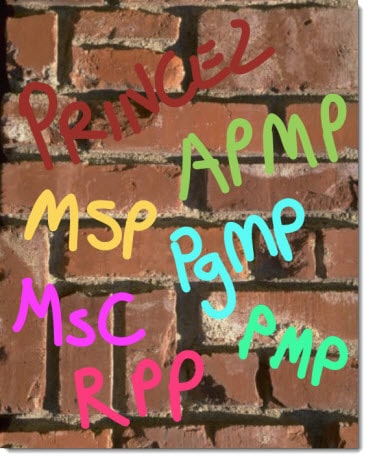
Project-related work and the number of project-related jobs are growing too quickly for our approaches to professionalism to keep up. You don’t have to look to hard to see that the world of work is becoming more focused on projects. I don’t think it’s just project professionals who would say that – business leaders are…
There’s a whole industry around certification training for project managers. Job adverts declare that you have to be PMP® certified or a PRINCE2® Practitioner. But does training actually make a difference to how you do your job? Training can make you about 26% more effective, according to research by PM Solutions (link broken as at…
Agile techniques are increasingly important to project managers and the organizations they serve, and PMI® hasn’t been blind to this fact. There was enough publicity about Agile at the Global Congress in Washington, D.C. last year that I don’t think it is much of a surprise the PMI has chosen to embrace agile practices and…
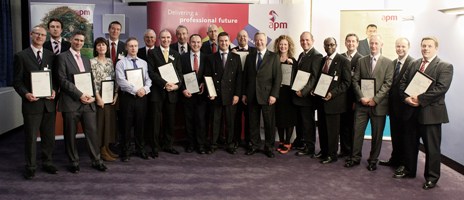
APM has been campaigning for Chartered Project Professional status for some time. It hasn’t happened yet, and they have now brought out Registered Project Professional status. I think this is a watered-down version of being Chartered, and it might reflect their frustration at the Chartered process taking so long. APM Registered Project Professional (RPP) is…
I recently took the 5 day Managing Successful Programmes (MSP®) course with Maven Training. I’ve done courses with Maven in the past, and I’ve also met many of their team and their CEO Melanie Franklin. But the reason I choose them this time was because of their innovative approach to delivering training in a way…
Is there are big divide between project management academics and those offering training? And do project managers need both? These were some of the questions discussed at a recent BCS event where a panel debated the differences between project management education and training. The evening started with a vote on the motion: “Education and training…