Project Quality Plan: The Easiest Guide (With Template)
Learn how to write a quality plan and why you should write one. Includes a quality plans template that you can use.
Quality management ensures that project deliverables are fit for purpose and meet agreed standards. It is not simply about testing at the end of a project. It is about building quality into processes, outputs, and decision-making from the beginning.
Projects that neglect quality often experience rework, stakeholder dissatisfaction, and reduced confidence in delivery capability. Strong quality management provides structure, clarity, and accountability across the lifecycle.
This hub brings together practical guidance on planning for quality, implementing quality management practices, and ensuring that governance mechanisms support consistent standards.
If you’re starting out, start here! Quality planning defines what “good” looks like for the project. It establishes the standards, acceptance criteria, processes, and responsibilities required to achieve agreed outcomes.
A quality plan typically includes:
Quality planning ensures that expectations are clear before work begins. Without defined criteria, teams cannot reliably determine whether deliverables meet required standards.
Planning for quality early reduces the likelihood of late-stage surprises and costly corrections. It aligns stakeholders around measurable definitions of success. Here are some popular articles to help you get started.

Learn how to write a quality plan and why you should write one. Includes a quality plans template that you can use.

None of my projects have a quality plan, but my teams still deliver quality projects. You don’t need them either when you follow this advice.
Quality management covers the processes used to ensure that standards are consistently met throughout the project. It includes both quality control and quality assurance activities.
Quality control focuses on inspecting deliverables to confirm they meet defined requirements. This may include reviews, testing, inspections, and validation exercises.
Quality assurance takes a broader view. It examines whether the processes used to create deliverables are appropriate and consistently applied. Assurance activities may include audits, peer reviews, governance checks, and compliance assessments.
Effective quality management balances prevention and detection. Preventing defects through structured processes is more efficient than correcting them later. Assurance strengthens confidence in delivery by providing independent oversight and objective evaluation. Here are some of my most-read articles that cover these topics.

Read this helpful guide to project quality management. Learn the differences between assurance, planning and control, with loads of tips for how to do them right!

Learn how to manage project quality (without the drama!) with these 12 simple tips.
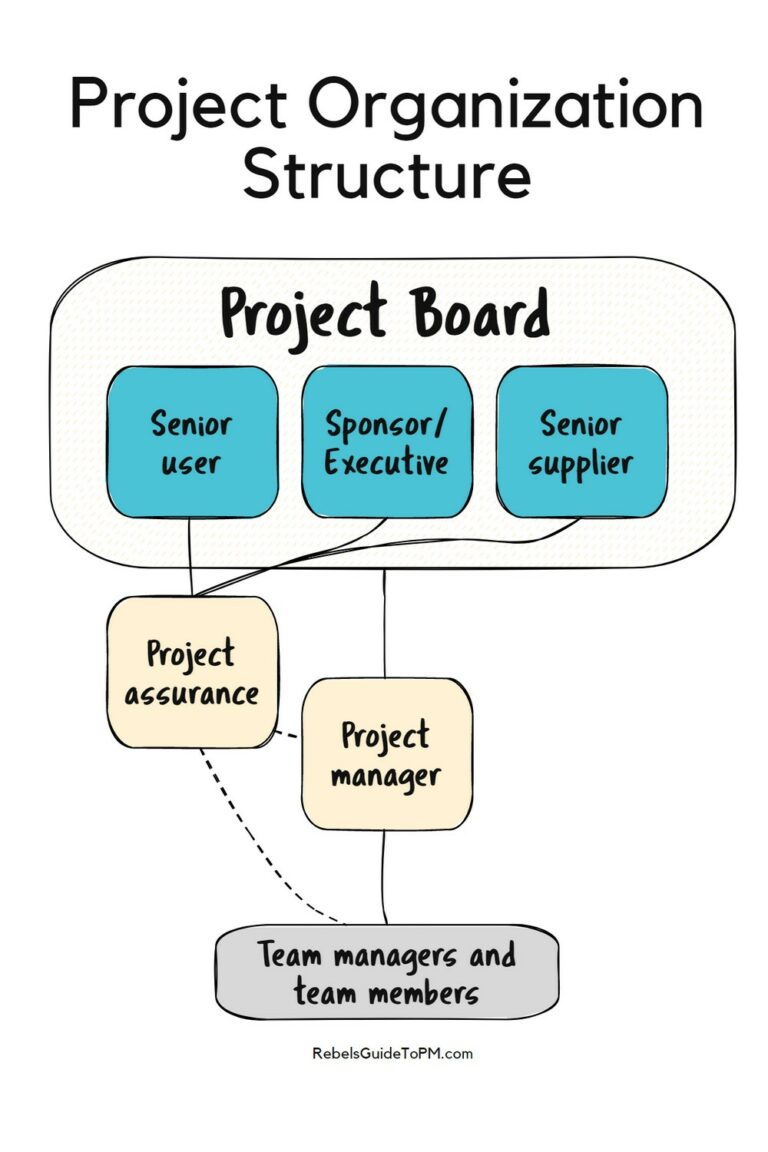
Learn what the project assurance function does and how to work with it on a project. Click for tips!
If you prefer a visual overview of quality concepts, this playlist explains key topics such as quality planning, assurance, control, and governance alignment.
The videos provide structured explanations and practical examples to help you apply quality principles consistently across your projects. It’s a curated collection of videos from me and some of my favorite creators on the topic of project communication management, so have a browse through.
Here are the questions I get asked the most often! From creating a quality management plan to monitoring performance, these things come up in my mentoring sessions time and time again.
Quality management in project management is the process of defining quality standards, planning how to meet them, and monitoring deliverables to ensure they satisfy agreed requirements. It includes quality planning, quality assurance, and quality control activities.
Quality assurance focuses on the processes used to create deliverables and ensures they are appropriate and consistently applied. Quality control focuses on inspecting and testing deliverables to confirm they meet defined requirements. Assurance is preventive; control is corrective.
Quality planning is important because it defines acceptance criteria and standards before work begins. Clear quality expectations reduce rework, prevent disputes, and improve stakeholder satisfaction.
Common quality issues include unclear requirements, inadequate review processes, insufficient testing, lack of stakeholder validation, and weak governance oversight. Early planning and structured assurance processes help reduce these risks.
Below you will find the full collection of articles related to quality planning, assurance, compliance, and governance practices.
These resources explore both foundational principles and practical techniques for maintaining consistent standards. Whether you are developing a quality plan for a new initiative or strengthening assurance mechanisms within an existing framework, this archive supports disciplined quality management.
Read this helpful guide to project quality management. Learn the differences between assurance, planning and control, with loads of tips for how to do them right!

Here are 5 questions for your project supplier to use during your vendor selection process to help you establish who you want to work with.

Read examples of project success criteria in this article, along with everything you need to know about writing and using success factors for your project. It really is the definitive guide!
Learn how to manage project quality (without the drama!) with these 12 simple tips.
Learn what the project assurance function does and how to work with it on a project. Click for tips!
Learn how to write a quality plan and why you should write one. Includes a quality plans template that you can use.
It’s easy to find examples of high-profile projects that fail. The ones that hit the papers are often public sector projects because their audits and budgets are more open to scrutiny. Here are some high-profile failed projects: Following an internal review, Multiplex, the Australian development company responsible for the reconstruction of the Wembley Stadium, became…

Found yourself with an hour to spare? Here are 5 practical things that you can do to improve your projects in 60 minutes (or thereabouts). From getting your To Do list in order to taking photos, here’s how to do something useful with the time to keep your projects in great shape.
None of my projects have a quality plan, but my teams still deliver quality projects. You don’t need them either when you follow this advice.