Planning a Budget for a Proposal in 5 Easy Steps (+ Example)
Before the project can begin you need to create a proposal and a budget. Edoardo Binda Zane shows us how in five steps with easy to follow examples.
Cost management ensures that projects are delivered within approved financial limits while still meeting scope and quality expectations. It provides visibility into how funds are allocated, forecast, and controlled throughout the lifecycle.
Effective cost management is not just about tracking spend. It begins with realistic estimating, continues through disciplined budget control, and requires proactive monitoring of variance. When financial oversight is weak, small deviations can compound into significant overruns.
This hub brings together practical guidance on building budgets, monitoring performance, and maintaining financial control across projects of different sizes and complexity.
If you’re starting out, start here! Creating a project budget starts with understanding the full scope of work and the resources required to deliver it. Budgets typically include labor costs, materials, software, supplier contracts, contingency reserves, and indirect expenses.
Accurate budgeting depends on realistic estimating techniques. These may include analogous estimating, bottom-up estimating, or parametric approaches depending on the available data. The goal is to produce a defensible forecast that reflects known assumptions and identified risks.
A well-constructed budget also includes contingency to account for uncertainty. Transparency around assumptions and risk exposure strengthens sponsor confidence and supports better decision-making.
Budget creation is not a one-time exercise. As the project evolves, forecasts should be updated to reflect actual performance and revised expectations. Here are some popular articles on setting up and creating your project budget.

Before the project can begin you need to create a proposal and a budget. Edoardo Binda Zane shows us how in five steps with easy to follow examples.

In this article we’ll look at how to segment costs, how to find out the cost of things, and then how to structure your project budget.
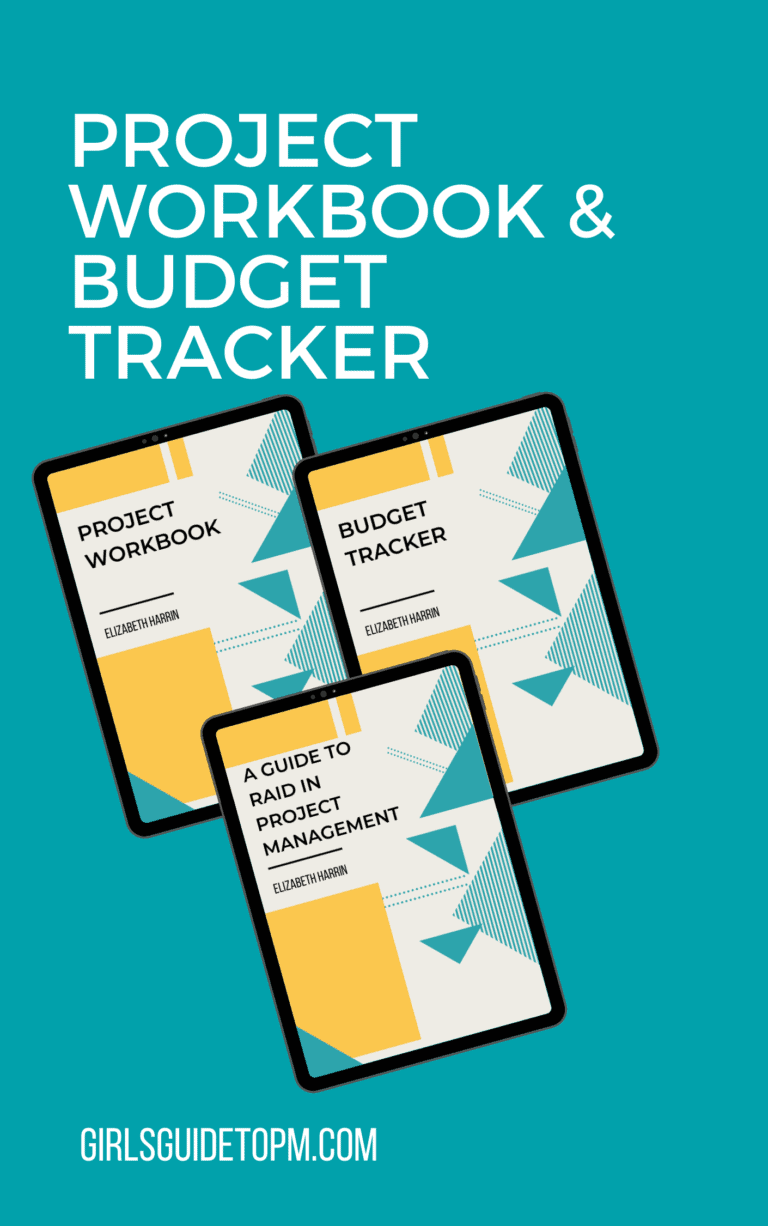
Get a project budget template (with purchase order and invoice tracker) and a workbook with all the project logs you’ll ever need!
Once a budget is approved, cost management shifts to monitoring and control. This involves tracking actual expenditure against the baseline, identifying variances early, and forecasting final outcomes.
Regular financial reporting should answer key questions:
Cost control requires collaboration between project managers, finance teams, and sponsors. Clear reporting and consistent thresholds for escalation prevent surprises late in the lifecycle.
Financial discipline protects both project outcomes and organizational credibility. Here are some popular articles that cover these topics.

Learn what Expected Monetary Value is and how to apply it in project management. Spoiler: It’s not that hard as techniques go!

William W. Davis, forecasting superhero, joins us again to help explain project forecasting and how to make it easier.

This is a guest post by Rick Graham, an instructor with ESI International. During the late 1910s and early 1920s, the Ford Motor Corporation constructed the world’s largest industrial complex along the banks of the Rouge River in Dearborn, Michigan. Henry Ford’s vision of mass production included not only the first production lines, but also…
Beyond basic budgeting and tracking, cost management includes several important considerations.
Contingency and reserve management provide structured protection against uncertainty. Clearly distinguishing between contingency (for known risks) and management reserves (for unforeseen events) improves transparency.
Cost-benefit analysis supports investment decisions by comparing projected returns with required expenditure. It strengthens business cases and helps prioritize initiatives at portfolio level.
Forecasting techniques, including trend analysis and scenario modeling, improve visibility into likely financial outcomes before variances become critical.
These practices are not complex for the sake of complexity. They provide structure and foresight, enabling better financial governance across projects.
If you prefer a visual walkthrough of scope management concepts, this playlist explores key topics such as defining scope, managing requirements, controlling change, and preventing scope creep.
The videos provide practical explanations and real-world examples to help you apply scope management principles effectively in your own projects. It’s a curated collection of videos from me and some of my favorite creators on the topic of project communication management, so have a browse through.
Here are the questions I get asked the most often! From creating a cost management plan to tracking invoices, these things come up in my mentoring sessions time and time again.
Cost management in project management is the process of estimating, budgeting, financing, funding, managing, and controlling project costs. It ensures that the project is completed within the approved financial limits while delivering agreed scope and quality.
A project budget is created by estimating the costs of all required resources, including labor, materials, tools, and suppliers. The estimates are aggregated into a baseline budget, typically including contingency to account for identified risks and uncertainty.
A cost estimate is an approximation of expected expenses based on available data. A project budget is the approved financial plan derived from those estimates, used as a baseline for tracking and control.
Projects often go over budget due to scope changes, inaccurate estimates, poor risk management, inadequate contingency, or weak cost monitoring. Early identification of variance and structured change control reduce the likelihood of overrun.
Below you will find the full collection of articles related to budgeting, estimating, forecasting, and financial control in project environments.
These resources cover both foundational budgeting techniques and broader financial management considerations. Whether you are creating your first project budget or refining cost reporting practices, this archive supports disciplined financial oversight.

Everything you need to know about estimating including the basics, 5 Project estimating techniques, knowing which to choose, and what to do next.
Join my training on managing money in projects. Perfect for project managers who want to increase their knowledge and confidence on project budgeting.
Before the project can begin you need to create a proposal and a budget. Edoardo Binda Zane shows us how in five steps with easy to follow examples.
In this article we’ll look at how to segment costs, how to find out the cost of things, and then how to structure your project budget.
Learn how to be an estimating superhero in this interview with William W. Davis of Statistical PERT. This will definitely make your job easier!
Learn what Expected Monetary Value is and how to apply it in project management. Spoiler: It’s not that hard as techniques go!
William W. Davis, forecasting superhero, joins us again to help explain project forecasting and how to make it easier.

Sol Benady is a management consultant, Fintech entrepreneur, and program manager working in the banking sector. He started his career as an auditor in London, trained with E&Y where he qualified as an accountant, and then moved into consulting for retail and investment banking for a wide range of projects and clients. In 2015 he…

This article will explain project contingency, how to calculate contingency and how to manage it within the scope of your projects.
If you need to buy things for your project, you know that shipping takes time and money. And delivery costs are often ‘forgotten’ in project budgets.
Thankfully, there’s a ton of methods that you can use to save on these costs. Take a look
Get a project budget template (with purchase order and invoice tracker) and a workbook with all the project logs you’ll ever need!

Bjarte Bogsnes, Vice President – Performance Management Development at Statoil, spoke about a new way to budget, forecast, lead and manage at Nordic Project Zone. I talked to him to find out more about the ideas he’ll be presenting. You can read the first part of this interview here. Bjarte, what you are doing at…