The HS2 reset: lessons for project managers
HS2, the high speed railway line, is now expected to cost between £87.7 billion and £102.7 billion, and the full line could open up to 13 years later than planned in 2020. Those are the headline numbers from the National Audit Office’s latest report, High Speed Two reset, published in June 2026.
It’s easy to read the headlines, shake your head and move on. But the report is much more interesting than the numbers. It looks at what happens when a programme outgrows the organization running it, and at what it takes to put things right.
This isn’t the first reset, either. HS2 was reset in 2020, Euston was reset in 2020 and 2023, and Phase 2 was cancelled in 2023. So the NAO’s message is simple: get it right this time!
I’ve read the report so you don’t have to. Here’s where HS2 stands, what’s changing, and the lessons I think every project manager can take from it, whatever size of project you’re working on.
Where HS2 is now
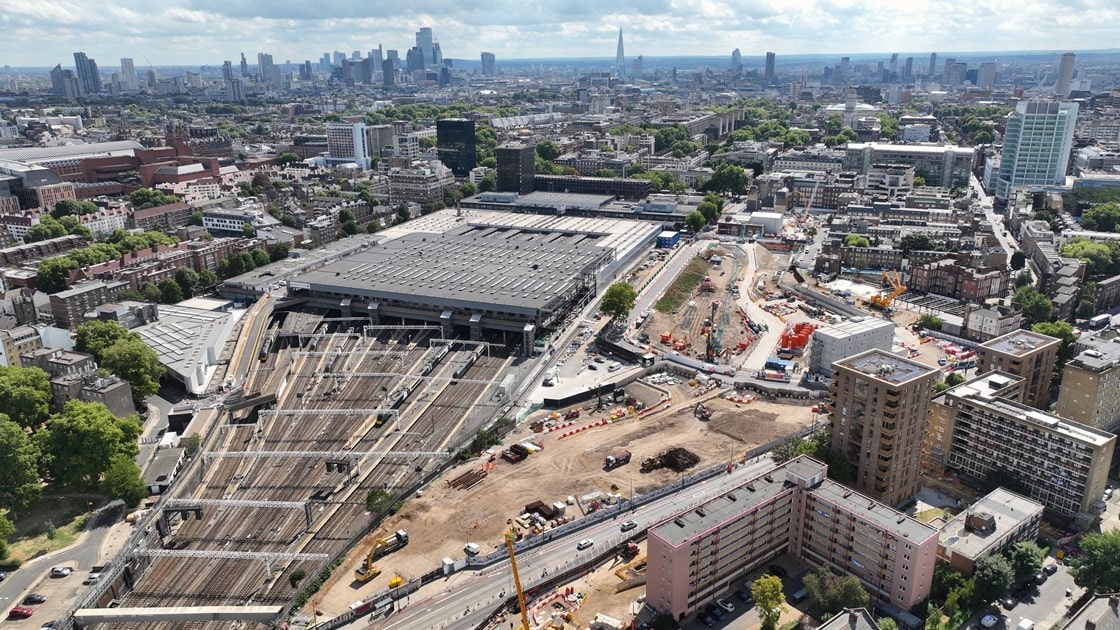
HS2 is now a London to Birmingham railway, and it’s costing roughly twice what was expected in 2020. The Department for Transport (DfT) sponsors and funds it. HS2 Ltd builds it. A new body, Euston Delivery Company, is responsible for the London terminus.
| What | Figure |
| Revised cost estimate (May 2026) | £87.7bn to £102.7bn |
| Increase since 2020, excluding inflation | £35.9bn to £37.2bn |
| Spent so far, including the cancelled Phase 2 | £46.8bn (to March 2026) |
| First services, Old Oak Common to Birmingham | May 2036 to October 2039 |
| Full line, Euston to north of Birmingham | May 2040 to December 2043 |
| Delay compared with 2020 plans | 3 to 13 years |
| Cost of the reset itself | £153m |
| Reset due to finish | Spring 2027 |
Those ranges are wide for a reason. The NAO says the May 2026 estimates still carry a high level of uncertainty. A firmer baseline is due by spring 2027.
Why the costs doubled
Project costs do change, and it’s not uncommon for projects to cost a bit more than the original estimate, especially if there is construction work involved. You don’t have to watch many episodes of Grand Designs before you realize that scope evolves and material pricing changes!
But the HS2 costs have gone up a lot. Inflation explains only about a third of the increase. HS2 Ltd’s own analysis splits the £48.6bn rise between the 2020 funding envelope and its current £93.2bn target like this:
| Cause | Share of the increase | What it means |
| Inflation | 34% | Prices rose faster than expected |
| Underestimation | 32% | Building and testing the railway took more time and money than forecast |
| Inefficient delivery | 23% | Poor productivity on the work that was done |
| Scope change | 11% | Necessary work that was missed from the original scope |
The NAO notes it hasn’t audited these calculations, so they are HS2 Ltd’s view. Even so, two thirds of the increase comes down to estimating and delivery, not the economy. And estimating and delivery is very much in the project manager’s realm of interest.
What the reset involves
The reset started in January 2025, and HS2 Ltd’s new chief executive finished his review of the programme that March. His assessment was blunt: HS2 Ltd had failed to control costs and schedule, construction had started too soon, contracts weren’t delivering, and the organization wasn’t set up to manage delivery.
The reset has four workstreams:
- Cost and schedule. Build a fully assured baseline the programme can be managed against.
- Supply chain and commercial relationships. Renegotiate contracts so contractors are rewarded for efficient delivery (my old CIO would approve – we put carrots in contracts, not sticks, and it was so much better for partnerships).
- Organizational capability and culture. Redesign HS2 Ltd so it has the people and skills to deliver.
- Governance. Clarify roles, rebuild trust between DfT and HS2 Ltd, and speed up decisions.
All of this is happening while construction carries on. DfT and HS2 Ltd are also working through 124 recommendations from earlier reviews. By February 2026, 45 of them (36%) were done. While that doesn’t sound like many, it probably represents a lot real work happening behind the scenes.
7 lessons for project managers
You probably aren’t running a £100bn railway, I’m certainly not. But almost everything in this report shows up on ordinary projects too, just with fewer zeros. Here are some of the takeaways I got from the report that could apply to your work too.
1. Don’t start delivery before the plan is ready
The chief executive’s review found that construction had started too soon. Once work is under way, the pressure to keep going makes it much harder to fix the plan. The NAO’s top recommendation follows the same logic: don’t put the revised plans into action until everything is in place to deliver them.
Try this: Before your next phase starts, ask what you’re still assuming. If the answer is “quite a lot”, that’s a conversation for your sponsor now, not three months in.
2. When the scope changes, the team has to change too
When Phase 2 was cancelled, the organization didn’t adjust to the smaller programme. HS2 Ltd’s own review found too many people at the centre and too few in front-line delivery teams. It also found silo working, gaps in commercial and contract management skills, and an over-reliance on complex processes.
Try this: After any big change to scope, look at your team structure, not just your plan. Does the way you’re organized still match the work?
3. If people don’t trust the data, they won’t trust the plan
The same review flagged a lack of trust in the integrity of data. A baseline is only useful if people believe the numbers in it. HS2 Ltd is now testing the quality of its data and assumptions before it sets the new baseline.
Try this: Ask your team how confident they are in the figures in your status report. Their answer tells you a lot!
4. You can’t negotiate if you don’t know your own costs
HS2 Ltd tried to renegotiate its big contracts in 2024 and failed. It didn’t have a reliable estimate of total cost, didn’t understand the supply chain’s work well enough, and offered a risk-transfer deal contractors didn’t want. Second time round, it settled historic costs first and found around £500m of costs it won’t pay. It’s now aiming to save around £2bn.
Try this: Before you go back to a supplier about a contract, make sure you know what has actually been spent and why.
5. Cutting scope can be the best way to cut risk
The trains will now run at 320 km/h instead of the planned 360 km/h. That means a simpler train control and signalling system and less testing, saving an estimated £1bn to £2.5bn. The line could also open at least a year earlier, although this is a multi-year project so it probably won’t feel like much of a time-saving to the people on the front line. The trade-off is around £1.3bn in lost long-term benefits from slower journeys.
Try this: When a requirement carries a lot of risk, ask what the “good enough” version would cost and what you’d give up. Then let the sponsor make the call with both numbers in front of them.
6. Governance is about relationships, not just boards
The Stewart Review found HS2’s governance wasn’t fit for purpose. It also said trust between DfT and HS2 Ltd needed to be restored. New boards and a ministerial taskforce help. But the NAO also found a more collaborative way of working, and HS2 Ltd says new decision-making for mega-projects has cut decision times by reducing duplication.
At Euston, the earlier problem was that no single body had the authority to make trade-offs. The fix is a new company acting as the “single directing mind”.
Try this: For every big decision on your project, can you name who makes it? If not, sort that out before you need it.
7. Don’t lose sight of why you’re doing the project
DfT says that, had today’s costs been known in 2020, HS2’s benefit–cost ratio would have been 0.3 to 0.4. That’s “poor value for money”. Continuing now still makes sense because the money already spent doesn’t count in that sum.
Sunk cost fallacy, anyone?
The NAO says DfT must focus hard on getting the most value from what it’s spending, and set out who owns, delivers and reports the benefits.
Try this: Check your business case is still valid at every stage gate, not just at the start. And make sure someone owns the benefits once the project closes.
What happens next
The next few months are going to be busy for this program team! HS2 Ltd expects an initial version of the new baseline in autumn 2026 (at the time of writing, so that’s any time now) and the final version by spring 2027. The main contract renegotiations are also due by autumn 2026, about six months later than planned.
HS2 Ltd is also assessing its capability across 10 core areas, including project management, program controls and integration, so it can close the priority gaps by spring 2027.
So what do I think? The NAO’s verdict is fair but firm – they are known for this, and in past reports I’ve read they don’t hold back. They are very good at speaking truth to power!
DfT and HS2 Ltd are taking a considered approach, but there’s a lot left to do. The report recommends they check whether the spring 2027 deadline is still realistic, and take more time if they need it.
It’s so important to take the time you need. A reset that’s rushed to hit a date is just the start of the next reset… although we all know this is a difficult message for stakeholders who want everything yesterday!
