10 common resource management problems and how to fix them
Read on as we share the most common resource management problems on projects and how to resolve them.
Managing a project team is rarely as simple as assigning tasks and tracking deadlines. In many organizations, project managers operate in matrix environments where team members do not report directly to them. Authority is shared, priorities compete, and influence often matters more than hierarchy. I’ve worked in both, and it is a lot easier to manage a project when the team works directly for you on a full-time basis, but that isn’t the norm, especially in environments where people are managing multiple projects.
This page gives you the resources to explore what it really means to lead in a project context. From working effectively in matrix structures to mentoring, facilitating meetings, and managing capacity, the articles highlighted below focus on practical leadership skills that help teams deliver results. Scroll down to see what you can takeaway!
First up, it’s worth defining how projects often work. In a matrix organization, which in my experience is common, project team members typically report to functional managers while contributing to one or more projects. This creates shared accountability and sometimes conflicting priorities. As a project manager, you are responsible for delivery outcomes but may not have direct line authority over the people doing the work.
Effective matrix team management relies on clarity, influence, and relationship-building. You need to negotiate priorities, agree on availability, and escalate conflicts constructively when required. Clear role definitions, documented responsibilities, and transparent communication reduce ambiguity. That’s where your RACI and terms of reference documentation come in.
Success in a matrix environment comes from building trust with both team members and functional managers. When you align expectations and make the workload visible, the matrix can provide flexibility and access to specialist expertise. When it’s unmanaged, it creates confusion and burnout for you and everyone else. Learning to navigate the challenges of the matrix structure is a core leadership skill for modern project managers!
Resource management is about ensuring the right people are available at the right time with the right skills. In multi-project environments, this requires visibility across workloads, realistic estimation, and proactive planning.
Capacity planning involves understanding how much work a team can realistically absorb. Over-allocation leads to delays, quality issues, and burnout. Under-allocation wastes valuable expertise. Effective allocation balances demand with availability, taking into account vacations, operational responsibilities, and competing initiatives.
Good resource management also requires data. Transparent reporting of workload and forecast demand allows early escalation of conflicts. When capacity is visible, conversations about trade-offs become objective rather than emotional.

Read on as we share the most common resource management problems on projects and how to resolve them.

Projects are done by people. Whether that’s just you, or whether you have a team of many hundreds, a project team is how work gets done. Working with people is the main part of project management. You need to know how to get people on your team and get them to do the work at…

Learn why capacity planning for project resources could be your secret weapon for ensuring an on time, low stress delivery.
Strong teams do not just deliver work; they grow capability. Yes, that sounds like buzzwords, but part of your role as a project manager is developing the team. That can mean finding them opportunities, building a budget for training into the project and helping them learn new skills. Mentoring within a project environment is another option as it helps individuals build confidence, technical skills, and leadership potential.
As project managers, we are often in a unique position to observe people’s strengths and development areas across functions. We can provide constructive feedback, create stretch opportunities (e.g. work shadowing, deputizing for you at meetings etc), and encourage reflective practice through lessons learned sessions or retros. These opportunities can significantly improve performance (or help maintain good performance as you’re recognizing what works). Even informal mentoring conversations can increase engagement and ownership, so you don’t have to be in a formal mentor/mentee relationship to give someone tips, as long as they are open to it.
Developing people strengthens not only the current project but also the broader organizational capability. Investing time in team development pays dividends in motivation, retention, and long-term delivery performance. Here is a selection of my most popular articles on mentoring. And if you want to book a mentoring session with me, you can book a call here.

It’s a great honor to be asked to mentor someone, and whether that arrangement comes about as a result of an informal discussion or a formal corporate scheme, you should take the commitment to be a mentor seriously. Are you getting ready to meet your mentor? I have a complete guide to questions to ask…

Learn how to make the most of your time with these questions to ask a project management mentor.

Grow your career with these tips for mentoring a project manager. Learn how to get started, what you should know, and how to be successful at it.
As you’d expect, there is a lot of information out there about team work in projects. Here’s a collection of videos from me and some of my favorite creators on these topics, curated so you don’t have to spend hours trawling the internet for tips.
Here are the questions I get asked the most often! From operating in a matrix to managing without authority, these things come up in my mentoring sessions time and time again.
Matrix team management refers to a structure where project team members report to functional managers while working on project tasks. The project manager is responsible for delivery but may not have direct authority over team members. Success in a matrix environment requires strong communication, negotiation, and stakeholder management skills.
Project managers manage teams without direct authority by using influence, clear goal-setting, and relationship-building. They align priorities with functional managers, clarify responsibilities, and create accountability through transparent reporting. Trust and communication are more effective than relying on hierarchy. Yes, it sounds easy, but it’s a lot about influence, being trustworthy and credible, and building great working relationships with a lot of people!
Resource allocation in project management is the process of assigning people and skills to tasks based on availability, expertise, and project priorities. Effective allocation considers workload, deadlines, and competing commitments to prevent overloading team members and delaying delivery.
Improving teamwork in project management involves setting clear objectives, defining roles, facilitating productive meetings, and encouraging open communication. Building psychological safety, recognizing contributions, and resolving conflicts early also strengthen collaboration and overall project performance.
Again, it sounds easy, but it’s a lot about getting comfortable working with each other. A team charter and small talk can help, as well as getting together to meet in person as often as you can. Learning more about your team members as individuals can help you connect the dots and support each other.
Below you will find the full collection of articles on project management teams and working together. These guides explore both established and emerging approaches, outlining core principles, roles, processes and practical considerations for implementation.
Beyond structure and allocation, project success depends on how well people work together. In fact, I’d say this is the most significant factor in whether your project is a success or not. The articles in this archive cover practical skills such as facilitating meetings, managing team dynamics, improving communication, and building collaborative working environments.
Topics include meeting management, facilitation techniques, teamwork strategies, and approaches to handling conflict and decision-making. These skills are essential regardless of methodology or industry. Strong leadership behaviors create psychological safety, improve clarity, and support consistent performance.
Use this archive to strengthen your team management toolkit and develop the interpersonal capabilities that underpin effective project delivery.

It seems like more and more of the projects we’re working on as project managers are tricky in non-conventional ways. The environment is shifting as we’re trying to do the work. Or the political situation changes. Suddenly what you thought you were delivering is actually not that after all. It’s not just me feeling like…

Learn how to delegate tasks effectively. This huge guide will step you through exactly what you need to at work to help others succeed in their tasks. These simple tools will give you more confidence and less stress at work.

Find out how to do user story mapping on your next project. Learn the benefits and how to get everyone engaged with this simple technique for understanding project scope.

This is a guest post by Jon Swain, President of Ten Six Consulting. Strong project sponsorship is critical to ensuring that your project is a success. One of the roles of a sponsor is to champion the project and the project team. This includes making sure the project gets the recognition and resources it requires….
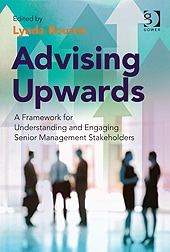
Today I’m interviewing Dr Lynda Bourne, author of Advising Upwards: A Framework for Understanding and Engaging Senior Management Stakeholders (Gower, 2011). Lynda is CEO of Stakeholder Management Pty Ltd, a training and consultancy firm based in Australia. Lynda, your book is about helping project managers communicate better with executive stakeholders. Let’s start at the beginning….

This short series is looking at coaching in a project management environment. Today I’m interviewing Susanne Madsen, author of The Project Management Coaching Workbook and herself a coach. Hello Susanne. Tell me, what made you go into coaching in the first place? I started coaching and mentoring project managers because I wanted to make a…

Phil Hayes is a coach with over 20 years experience in team development. He’s executive director of London training and coaching company Management Futures. I spoke to Phil about how team coaching can work with project teams. Phil, I’ve heard about coaching individuals, and I can see how you could extend that to a functional…

In my last post about project management in a matrix structure I shared 4 challenges of that environment. This week I want to talk about how we can overcome these. This was a topic that Shilpa Arora, PMP, spoke about at a Women in Technology event I attended. The 4 challenges she discussed were: Let’s…
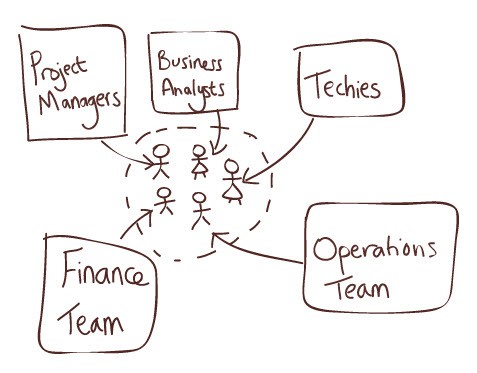
Most projects operate in some kind of matrixed environment. Project managers rarely have direct line management responsibility for all, if any, of the people on the project team. So how can we best get things done when we don’t control the team? In this article, I’ll explain what matrix management is and why it creates…
This is the last in a 3-part series about managing cross-cultural and international teams. Missed the earlier posts? Read the first bit here, and the second bit here.The biggest issues for international projects are cultural understanding and communication. The former isn’t something that can be neatly tackled by a software package. It relies on the…

This is the first in a 3-part series about managing cross-cultural and international teams. The world of business is continually shrinking: we work in an environment with real-time audio visual communication with colleagues on the other side of the world and online translation tools. Even small companies can operate internationally with outsourcing agreements and partners…