
The Project Management Office (PMO)

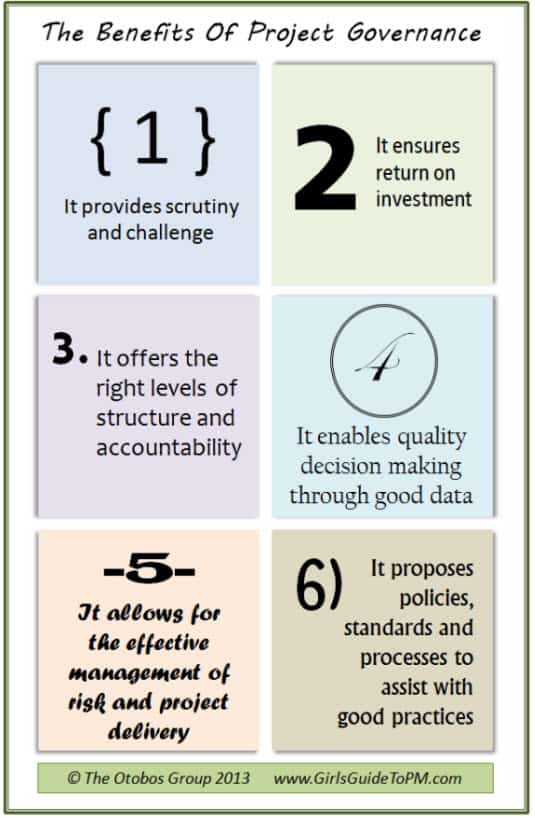
A project management office (PMO) provides structure, oversight and support for project delivery. Whether embedded within a department or operating at enterprise level, the PMO defines standards, monitors performance and helps organizations turn strategy into results.

At its simplest, a PMO establishes consistency: common processes, reporting standards and governance frameworks. At its most mature, it acts as a strategic partner — prioritizing work, balancing portfolios, tracking benefits and ensuring investment decisions deliver measurable value.

There is no single ‘correct’ PMO model. Some focus on compliance and reporting. Others concentrate on capability development, coaching and tools. Enterprise PMOs may oversee programmes and portfolios, while smaller organizations often operate a lightweight support function.

On RebelsGuideToPM, you’ll find practical advice for setting up, evolving and working within a PMO, from governance and RAG reporting to stakeholder engagement, portfolio oversight and performance measurement. Whether you are establishing a PMO from scratch or improving an existing function, this guide pulls together the key concepts, frameworks and tools you need.


Setting up your PMO

Start here: below you’ll find my favorite selection of articles on how to set up and get started with a PMO for your organization!

Establishing a project management office (PMO) requires more than creating templates and appointing a lead. A successful PMO is built around clear purpose, defined authority and a realistic understanding of organizational maturity. Whether you are setting up a PMO in a small business or launching an enterprise PMO in a complex environment, the foundation stage determines long-term credibility and impact.

The first step in setting up a PMO is clarifying its mandate. Is the function primarily supportive, providing guidance, project assurance and tools to project managers? Is it controlling, enforcing governance standards and reporting requirements? Are you going to be a Center of Excellence? Or is it directive, directly managing projects and programs?

Defining the PMO structure, reporting lines and decision-making authority early avoids confusion and resistance later.

You will also need to establish core PMO processes: governance frameworks, stage gates, portfolio oversight, risk reporting, and resource management standards. This includes designing reporting templates, defining RAG criteria and RAG reporting, and agreeing escalation pathways. A PMO charter or terms of reference document is essential to formalize scope and responsibilities.

Are you going to support agile project management as well as predictive methodologies or hybrid ways of working? How are each of those going to look different (if indeed they are)?

Staffing is another critical consideration, because it’s people who get projects done. A lean PMO can be highly effective if roles are clearly defined and aligned to organizational priorities. Building capability, not bureaucracy, should be the goal. When setting up a PMO, focus on delivering visible value quickly. In practice, that looks like improved reporting clarity, knowing what performance indicators to track, better prioritization decisions and stronger stakeholder confidence.

Below you’ll find practical guidance on structuring, staffing and launching a PMO that is proportionate, credible and aligned to strategy. Because that’s what stakeholders and your exec lead will be looking for!


Running your PMO

Once established, the challenge for you as PMO leader shifts from design to delivery. Running Project Management Offices effectively requires consistent governance, clear communication and a focus on performance improvement, because the leadership team will want to see that you’re developing maturity over time, adding more services and functions.

A project management office balances oversight with support, ensuring projects comply with standards while enabling delivery teams to succeed, regardless of what ‘model’ of PMO you’ve opted for.

Operational PMO management includes maintaining reporting cycles, consolidating portfolio data and facilitating steering group meetings. There’s annual and quarterly planning, roadmap sessions and presenting to the exec.

You’ll be expected to track project performance metrics, monitor risk exposure, review benefits realization and support resource allocation decisions. Regular portfolio reviews and transparent dashboards help senior stakeholders understand progress and make informed investment choices. Or, they should do — sometimes exec leaders are a rule unto themselves, but we do the best we can to help them make the right calls.

Lessons learned processes, assurance reviews and maturity assessments provide insight into where project management capability can be strengthened.

You don’t have to do it all at once, but feed that input into your development plans. Remember, running a PMO is not about enforcing process for its own sake; it is about enabling predictable delivery outcomes to help meet business goals, so the more you can help teams do that, the better.

Stakeholder engagement is critical (as it is for all project-adjacent roles!). PMOs have to build trust with project managers, sponsors and executives. Clear governance frameworks, consistent RAG criteria and well-defined escalation routes reduce friction and increase confidence in reporting accuracy. Trust is the currency of your PMO, so don’t squander it.

Technology and tooling also play an important role in PMO operations. The tools you need depend on the PMO functions that you prioritize and whether the team need real-time insights from their project metrics. From portfolio management software to reporting automation and benefits tracking tools, the right systems can increase visibility and reduce administrative burden.

In this section, you’ll find practical advice on managing day-to-day PMO operations, improving performance and maintaining strategic relevance over time.


Managing your strategy

At its most mature, a PMO acts as a strategic partner rather than a reporting function, so ideally that’s the goal. Managing strategy through a PMO means aligning projects and programs to organizational objectives, prioritizing investment decisions and ensuring benefits are realized. This is where portfolio management and governance intersect with executive decision-making.

Strategic PMO management begins with clear portfolio oversight (and of course, your organizational strategy, which you have to have before you can align projects to it). Projects should be evaluated against business cases, capacity constraints and risk exposure. Effective portfolio prioritization ensures your limited resources (i.e. people doing the work) are directed towards initiatives that deliver measurable value. For that, you’ll need robust governance frameworks, transparent criteria and regular review cycles.

A strategy-focused PMO also supports benefits realization management. Tracking outputs is not enough these days (was it ever?); the PMO should be monitoring outcomes and ensuring that expected benefits are achieved. This often involves defining KPIs at the beginning of projects, working with business owners and embedding accountability into governance structures. Someone has to own the benefits once the project is done

Change management is another strategic consideration. Large-scale transformation initiatives, digital programs and organizational change efforts require coordination across multiple projects. A PMO can provide the structure needed to maintain alignment and manage interdependencies. Because there’s only so many new things a team can take on at a time. Dump too much change on any one department and they’ll crumble. The pace of change these days can be a lot.

Finally, managing strategy means adapting to evolving priorities. Market conditions, regulatory requirements and leadership direction can shift quickly. A mature PMO provides visibility, flexibility and structured decision-making to respond effectively.

Explore the resources below to understand how a PMO can move beyond administration and become a driver of strategic value and portfolio success.


PMO on YouTube!

Here’s a collection of videos from me and some of my favorite creators on the topic of PMO, so have a browse through.


Skills for the PMO leader

A successful PMO depends on more than process and governance — it’s you, and the people in your team. They might not report to you, but the project delivery, transformation or assurance function, are all part of the wider project infrastructure within the organization.

Having strong PMO skills will underpin your ability to provide effective portfolio oversight, engage the right people and do all that strategic alignment. Whether you are working in a centralized enterprise PMO or a small departmental office, the right mix of technical expertise and leadership capability is essential.

Core PMO skills include project portfolio management, performance reporting, risk analysis, benefits realization tracking and resource planning. However, how you conduct yourself is probably even more important. Behavioural skills (the ones PMI calls power skills and we all used to call soft skills back in the day) include influencing senior stakeholders, facilitating governance forums, challenging assumptions constructively and communicating complex data.

As PMOs evolve from administrative support functions into strategic partners, skills in data interpretation, business case evaluation and change management become increasingly valuable because senior stakeholders will look to you to make sense of the portfolio and performance.

Building you capability across these areas strengthens the PMO’s credibility and ensures it (and therefore you/the people in it) can support effective decision-making at every level of the organization.

Explore the resources below to develop the practical and leadership skills required to thrive in a high-performing PMO environment.

FAQ about Project Management Offices

What does a PMO analyst do?

A PMO analyst supports the project management office by collecting, analyzing and reporting project and portfolio data. The role typically involves maintaining dashboards, consolidating status reports, tracking risks and issues, monitoring budgets and supporting governance processes such as stage gates and steering group reviews. A PMO analyst ensures data accuracy and consistency across projects so that senior leaders can make informed decisions. In more mature PMOs, the role may also include benefits tracking, resource forecasting and portfolio performance analysis. Strong analytical skills, attention to detail and stakeholder communication are essential for success in this role.

What is PMO documentation?

PMO documentation is the standard templates, frameworks and governance artefacts used to manage and oversee projects and programmes. This can include project charters, business case templates, risk logs, RAG reporting criteria, portfolio dashboards, terms of reference and stage gate review checklists. The purpose of PMO documentation is to create consistency, improve transparency and ensure projects follow agreed governance standards. Good PMO documentation should be practical and proportionate, enabling effective oversight without creating unnecessary bureaucracy.

What does PMO do in a project?

Within an individual project, the PMO provides structure, oversight and support. This may include defining reporting requirements, monitoring progress against milestones, reviewing risk and issue logs, facilitating governance reviews and ensuring compliance with organisational standards. The PMO does not typically manage the project directly (unless operating in a directive model, or maybe the project managers report into the PMO structure), but it helps ensure that the project is aligned with portfolio priorities and delivers against its business case. The PMO also supports escalation processes and provides independent assurance where required.

What does PMO do in a company?

At organizational level, a PMO aligns projects and programmes with strategic objectives. It supports portfolio prioritization, resource planning, governance frameworks and performance reporting. A company-wide PMO may oversee investment decisions, track benefits realization and ensure consistent project management standards across departments. In more mature organizations, the PMO acts as a strategic partner, providing data-driven insight to senior leadership and improving overall project delivery capability. Its ultimate purpose is to increase visibility, reduce delivery risk and ensure that organisational investments generate measurable value.

How should a PMO be structured?

The best structure for a PMO is the one that works for you. Typically, PMOs are often ‘independent’ and report directly into the CEO or MD. They may also report into the Director of Strategy or the CIO. There will be a Director of PMO or Chief Projects Office, supported by a team of project portfolio office specialists and analysts. Project managers may also report directly into the PMO. There’s normally an assurance function to support project delivery, as well as someone (or a team) who manage portfolio planning, the pipeline of projects and the alignment to strategy. There are also divisional PMOs that support one business unit.


Other PMO articles

Don’t worry if your PMO evolves over time, it’s supposed to. As organizations grow, portfolios become more complex and governance requirements increase, and the role of the PMO and the people in it adapts. Whether you are working in a small PMO supporting a handful of projects or an enterprise PMO overseeing programs and strategic initiatives, expect your role to change as the months and years go by!

Beyond the core themes of setting up a PMO, running day-to-day operations and managing portfolio strategy, there are many related areas that influence PMO effectiveness. Developing your influence and skills in a wide range of organizational areas, as well as business acumen, can only strengthen the PMO’s ability to deliver consistent, predictable outcomes. Which, after all, is the goal. Your PMO has more chance of being around for the long term if you can prove that you’re supporting delivery.

On RebelsGuideToPM, you’ll also find guidance on program management, digital transformation oversight, governance frameworks and performance reporting. Together, these articles provide practical insight into how a PMO can move from administrative support to strategic leadership. So I hope we can support your journey as a PMO leader.

Browse the articles below to explore specific topics in more depth. Whether you are building a new PMO or refining an established function, you’ll find actionable advice to support better governance, stronger delivery and improved organizational performance.