What you need to know about project communication management
Learn about project communication management, why it matters, give an overview of the communications process, and some examples of where you might apply it on your own projects.
Effective communication is one of the strongest predictors of project success. Clear, timely, and structured communication aligns stakeholders, reduces risk, and prevents misunderstandings from escalating into major issues. Whether you are managing a small internal initiative or a complex multi-year program, communication underpins delivery performance.
Project communication is not just about sending updates. It involves planning who needs what information, when they need it, and how it should be delivered. From stakeholder engagement to formal reporting and informal team check-ins, strong communication practices create visibility, trust, and accountability throughout the project lifecycle.
If you’re starting out, start here! Communication planning defines how information will flow throughout the project. It identifies stakeholders, clarifies reporting expectations, and determines the format and frequency of updates.
A structured communication plan typically includes:
Effective communication planning prevents both overload and silence. Too much information creates noise. Too little creates risk. The goal is to deliver relevant, targeted information that supports decision-making and maintains engagement.
Strong communication plans also evolve. As stakeholders change or risks emerge, reporting and messaging should be adjusted to reflect the project’s current reality. Get started with some of the most-read articles below.

Learn about project communication management, why it matters, give an overview of the communications process, and some examples of where you might apply it on your own projects.

The comms plan is such an important part of your project. Download a free communications plan template from the Resource Library today.

Does your project have a communications plan? It’s often something that less experienced project managers forget to do, although even experienced project managers can find themselves half way through a project without a clear communications approach. The purpose of a communications plan is to define all the people or groups who have an interest in…
Project reporting translates performance data into clear, actionable insight. Good reports do more than summarize activity; they highlight progress, surface risks, and support informed decisions.
One of the most widely used reporting mechanisms is RAG status (Red, Amber, Green). RAG provides a simple visual indicator of project health across dimensions such as schedule, cost, scope, and risk:
While RAG is powerful for visibility, it should be applied consistently across all projects so stakeholders know what it means. Clear criteria should define what constitutes each status level. Without defined thresholds, RAG becomes subjective and loses credibility.
Effective reporting balances transparency with clarity. Stakeholders need honest assessments, supported by narrative context and defined next steps. Here are some popular articles that cover status reporting.

Learn how to communicate RAG status clearly to stakeholders, build trust, and explain red, amber and green project status with confidence.

Download a free status update timeline template for PowerPoint. Visualise project progress in one slide. Easy to customise, great for reports and reviews.

Get a free project management status report template. Great for updating your stakeholders on all the latest progress on your projects. As project managers we have a lot of reporting to do so this should make your life that little bit easier!
If you prefer visual explanations and practical walkthroughs, this playlist explores key communication topics in project management.
Use the playlist to reinforce best practices or gain a quick refresher before implementing changes in your own reporting and communication approach. It’s a curated collection of videos from me and some of my favorite creators on the topic of project communication management, so have a browse through.
Here are the questions I get asked the most often! From technology to task lists, these things come up in my mentoring sessions time and time again.
Communication management in project management is the structured process of planning, creating, distributing, and controlling project information, and getting feedback back to check your comms are landing properly. It ensures stakeholders receive accurate, timely, and relevant updates that support decision-making and project alignment
A RAG/RYG status report uses Red, Amber (or Yellow in some countries), and Green indicators to show project health across key areas such as schedule, cost, scope, and risk. Green indicates performance within tolerance, Amber/Yellow signals potential issues, and Red highlights significant problems requiring escalation.
Communication planning is important because it defines how information will flow between stakeholders. Without a communication plan, updates may be inconsistent, delayed, or misaligned with stakeholder expectations, increasing project risk. Try and deliver a project without bothering to spend time thinking about how you’re going to get the message out to everyone, and then come back and tell me how that worked out for you.
Common communication problems include unclear stakeholder expectations, inconsistent reporting, information overload, lack of transparency, and poorly facilitated meetings. Structured communication planning and defined reporting criteria help mitigate these risks.
Below you will find the full collection of articles on project communication, reporting, facilitation, and stakeholder engagement. These resources explore both formal governance communication and day-to-day team interaction.
Topics include stakeholder management, communication techniques, meeting management, influencing skills, status reporting, and escalation practices. Whether you are refining executive reporting or improving collaboration within your team, these articles provide practical guidance grounded in real delivery environments.

Presenting in meetings or to your boss is always a bit nerve-wracking. Here are 10 tips for giving a fantastic work presentation.

Social media is a de facto standard for businesses these days. Brands can thrive or wither on the quality of their social media manager and some networks can be ruthless. Campaigns and tweets can stick in customers’ memories for a long time: who can forget the Colin the Caterpillar struggles? (#FreeCuthbert!) They even made it…

Learn the three most important things for giving presentations, and read about how I failed spectacularly at one of them during my worst presentation ever. Believe me, I do things differently now!

Find out how I manage project stakeholder communications on my projects. These are my tried-and-tested techniques. Are there ideas here that you could use on your projects? Let me know if you put my tips into action!
The comms plan is such an important part of your project. Download a free communications plan template from the Resource Library today.

Improve your project management communications with these tips from this interview with Alexis Dondic.

Learn how I used video to communicate effectively about my project to a wide group of people across multiple locations. Here’s what the result was and tips for you to do the same thing.
How do you communicate what you are working on when you don’t have any money for fancy marketing materials? Read this article to find out how you can do project communications on the cheap, using your own skills and no special materials.

Find out how I manage project communications and stay in touch with my stakeholders. From the tools I use to how I tailor what I say, it’s all in here!
![Social Skills for Project Managers: Interview with Geoff Crane [Video]](https://rebelsguidetopm.com/wp-content/uploads/2022/03/RGPM_3-768x433.webp "Social Skills for Project Managers: Interview with Geoff Crane [Video] 16")
How do you gain influence with body language? What should you be aware of for managing stress in the workplace as a project manager? Geoff Crane and I discuss all that, plus better listening and manspreading!
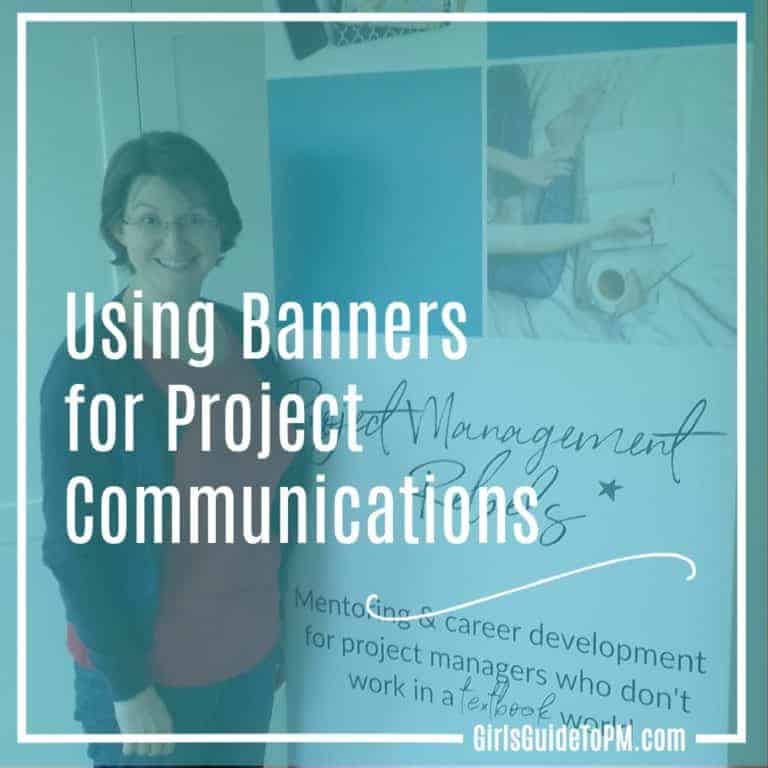
A project banner can be a great way to communicate about your project that goes beyond email, newsletters and presentations.
Good and clear communication between a project manager and their team is a key component on whether a project is successful or not. Check out this handy infographic from Brandeis University that shows the importance of clear communication.